Wedding Planning
Do You Need Amplification for an Outdoor Wedding? What Couples Should Know
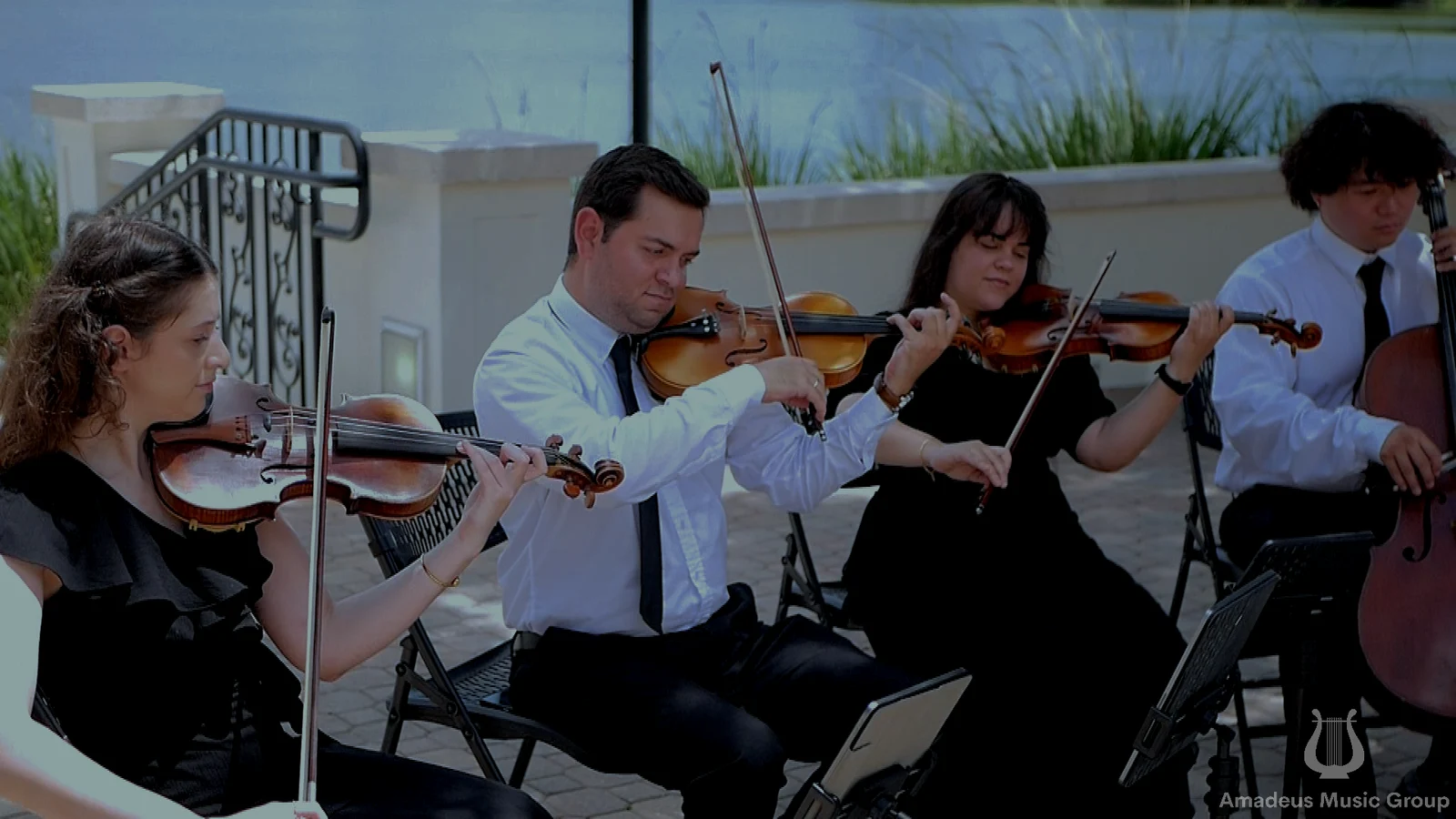
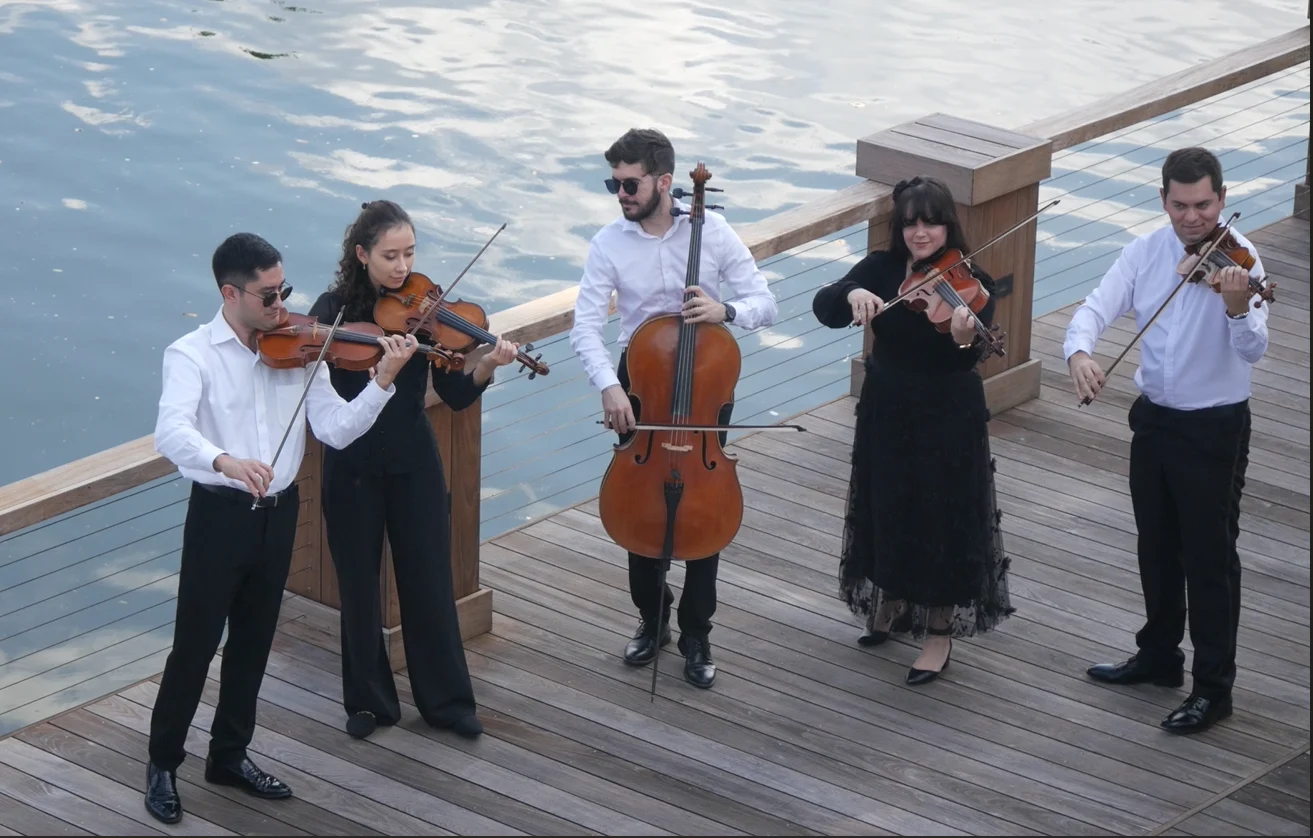
Outdoor wedding musicians may need amplification, but there is no universal guest-count cutoff. The decision depends on the listening area, background noise, weather, ensemble placement and the sound you want guests to hear. Assess live instrument sound separately from the microphones needed for the officiant, vows or announcements.
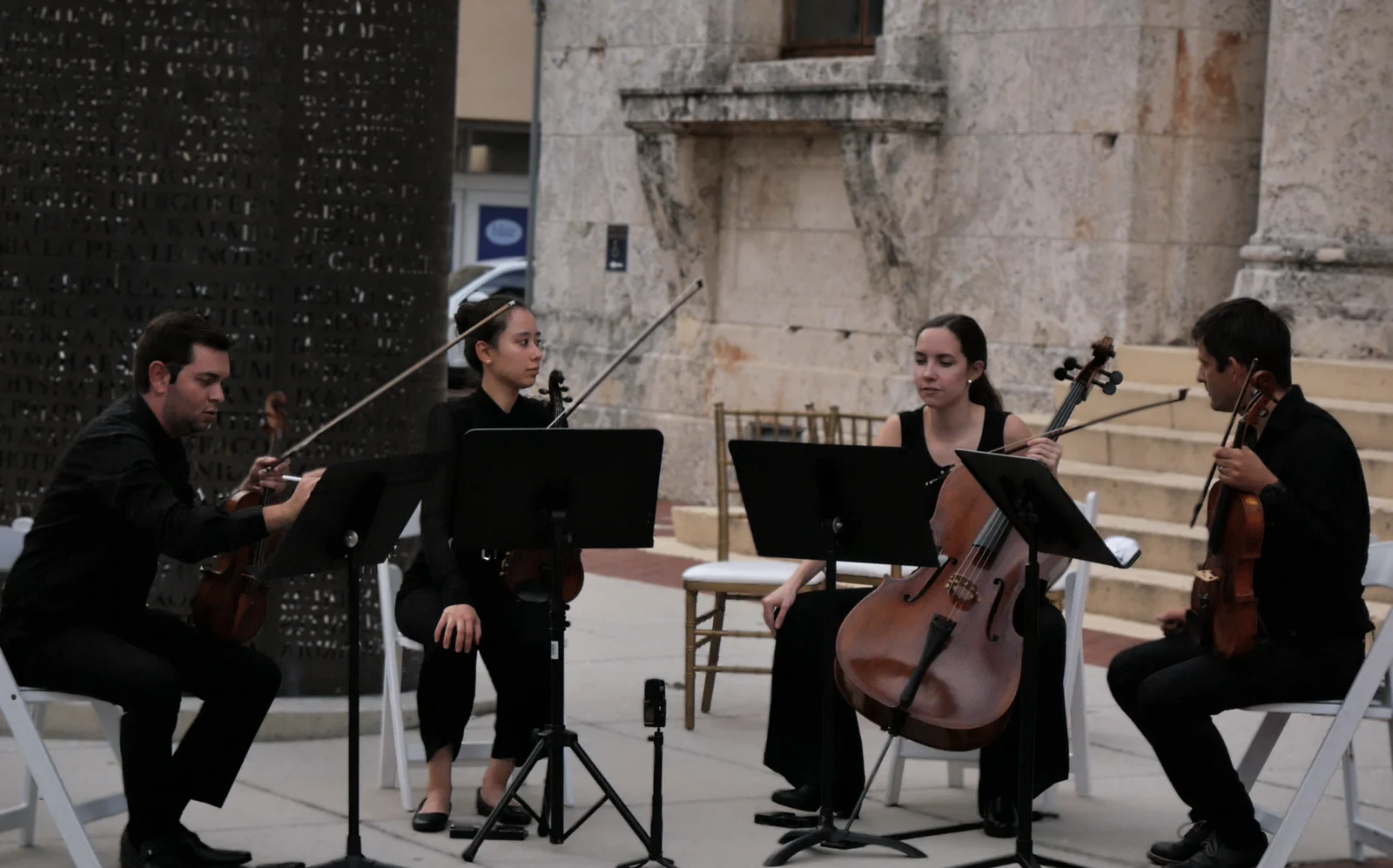
Why outdoor sound needs its own plan
An indoor room reflects sound from walls and other surfaces. An open lawn or waterfront setting does not offer the same support. Guests close to the ensemble may hear well while people farther away hear much less, especially when wind or surrounding activity adds competing noise.
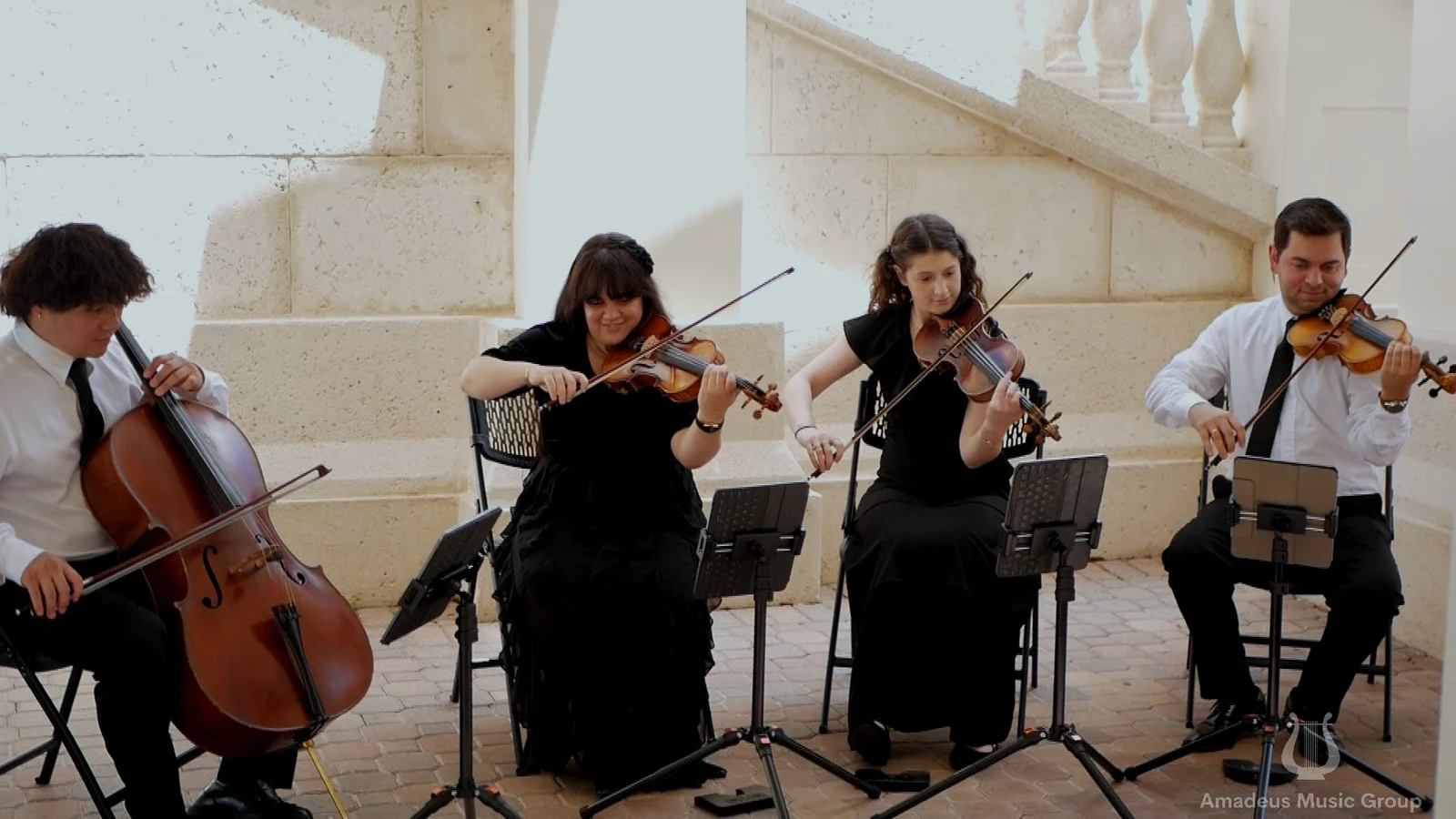
That does not make acoustic music unsuitable outdoors. It means the venue layout should be part of the conversation. Share where the musicians will sit, where guests will be seated and what may be audible nearby. A sheltered courtyard, open beach and poolside terrace can have very different listening conditions.
A phone video of an empty venue is useful context, but it cannot establish exactly how the site will sound with guests, service activity and different weather. Combine visual information with the venue’s knowledge of the space and the musicians’ assessment of the proposed setup.
Guest count matters through the layout
More guests often occupy a larger listening area, but the number alone does not determine the answer. A tightly grouped ceremony can be different from a smaller guest list spread across a long lawn. Distances, seating direction and obstacles all influence whether acoustic strings will be clear.
Ask where the farthest guests will sit and whether the ensemble can be positioned near the listening area without blocking the aisle. A quartet gives you four-part texture; it is not a guaranteed solution to distance. Likewise, choosing a solo violinist does not automatically mean amplification is required.
At cocktail hour, guests move and talk rather than sitting quietly. The goal may be pleasant music around a gathering space, not equal coverage of every corner of the property. Decide what you want the sound to achieve before discussing equipment.
Beach, waterfront and background noise
Surf, fountains, wind, traffic, air-conditioning equipment and nearby hospitality activity can compete with music. A site that feels peaceful during a planning visit may be busier at the scheduled ceremony time. Ask the venue about recurring activity and whether another performance position would help.
For a Florida beach or a coastal New England terrace, consider both sound and instrument protection. Placing musicians closer to guests can help listening, but not if that position exposes instruments to blowing sand, spray or direct rain. The best location balances audibility, safety and ceremony sightlines.
The venue may also have sound restrictions. Ask about permitted music levels, equipment positions and any limits associated with outdoor spaces. Do not assume that adding speakers is always allowed or that the same plan applies at every property.
Instrument sound and spoken audio are different
A violin or cello setup does not automatically include microphones for the officiant or couple. Spoken words must be understandable, and their microphone arrangement may be provided by a DJ, venue or another audio provider. Name the responsible person before finalizing the ceremony plan.
Confirm who handles microphone placement, checks, batteries or power, and any recorded elements during the service. If a reading needs a microphone, include it in the plan. Do not assume someone will hand over an instrument microphone for speech at the last minute.
When amplification for strings is appropriate, the musicians and sound provider should agree on how it will be managed. This article does not prescribe a speaker model, wattage or microphone count: the correct setup depends on the actual performance area and equipment arrangement.
Coordinate the DJ and venue team
If your DJ provides ceremony sound, introduce the DJ to the musicians and planner before the event. Clarify whether the service covers spoken audio only, recorded playback, instrument support or a combination. Responsibility should be explicit rather than inferred from who brings a speaker.
Share the ceremony sequence and floor plan with everyone. Confirm sound-check access, the location of electrical supply and a safe route for any cables. Equipment should not obstruct guest circulation or the musicians’ bow movement, and outdoor electrical arrangements need the venue’s approval.
For the transition into cocktail hour, decide whether the same equipment remains in place, another setup is used or acoustic music is appropriate in the new space. Moving equipment and instruments takes time; it should be reflected in the event schedule.
Wind, weather and the backup location
A weather change may require a different sound approach as well as a different musician position. An indoor backup room may be more resonant or have its own installed audio system. Share both layouts rather than sending only the outdoor ceremony plan.
Ask who authorizes the move and how much notice the team needs to relocate safely. Rain, gusts and unsafe conditions should not be treated as problems that a louder speaker can solve. Instrument protection and a dry, stable performance area remain essential.
Do not assume a covered guest area provides suitable protection for the ensemble and equipment. Verify the actual musician location, including the effect of wind-driven rain. The planner and venue should agree on a usable alternative before the wedding day.
Questions for an outdoor sound review
Amadeus’s published FAQ says amplification is optional for most ceremony string groups and available on request. That is not a promise that every outdoor site will work acoustically. Send your date, venue layout and sound contacts so we can discuss the requirements and confirm any separately quoted services without guessing equipment or fees.
- How far are the guests from the proposed musician position?
- What background noise is likely at the ceremony time?
- Can acoustic placement improve the listening experience?
- Who provides and manages spoken audio?
- Is instrument amplification appropriate and permitted?
- Where is safe electrical access if needed?
- How does the backup location change the plan?